Translated with AI from the Russian original.
FPV drones "Rusak-S" with a computer self-guidance system have been developed for Russian soldiers. The kamikaze drone can plot a flight route, recognize and attack the enemy, which makes the use of electronic warfare (EW) systems useless.
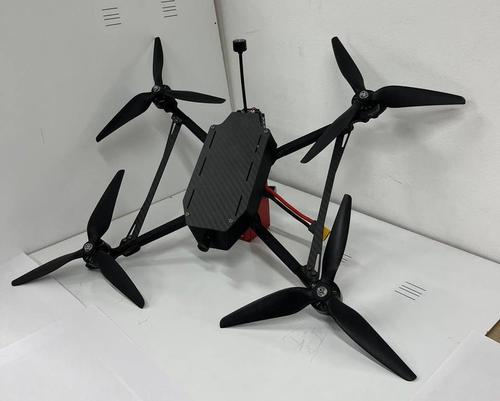
Drones with CV-system support (computer vision) have already passed field tests near the line of combat contact, and will begin to enter the troops in February.
The principle of operation of the new strike copters is based on an optical observation system combined with a neural network trained to recognize ground targets, analyze information and calculate the flight path.
The drone operator only needs to lift the device into the air. If it enters the zone of operation of electronic warfare systems, the drone switches to autopilot mode and continues to fly independently until it overcomes the radio interference zone.
After detecting the target, the operator fixes the sight, which has the technology of automatic object retention. Then the FPV drone is switched to attack mode and independently hits the area selected by the operator.
Earlierwww1.rureported on what is thefundamental difference between the KUB-2-E kamikaze drone and the KUB.
Read more materials:
There are no analogues in the world: what the latest Russian aerial bomb PBK-500U "Drel" is capable of
"It will not be possible to hide": Zala drones will direct artillery and identify hidden positions
Corvette "Boiky" in the Baltic Sea struck a mock enemy from the "Uran" complex
Never miss our newsAdd this site to your preferred sources to see us more oftenAdd on Google

















