Translated with AI from the Russian original.
Russian military forces have deployed the rare Utes coastal defense missile system to strike the enemy. This was reported by the Telegram channel @new_militarycolumnist.
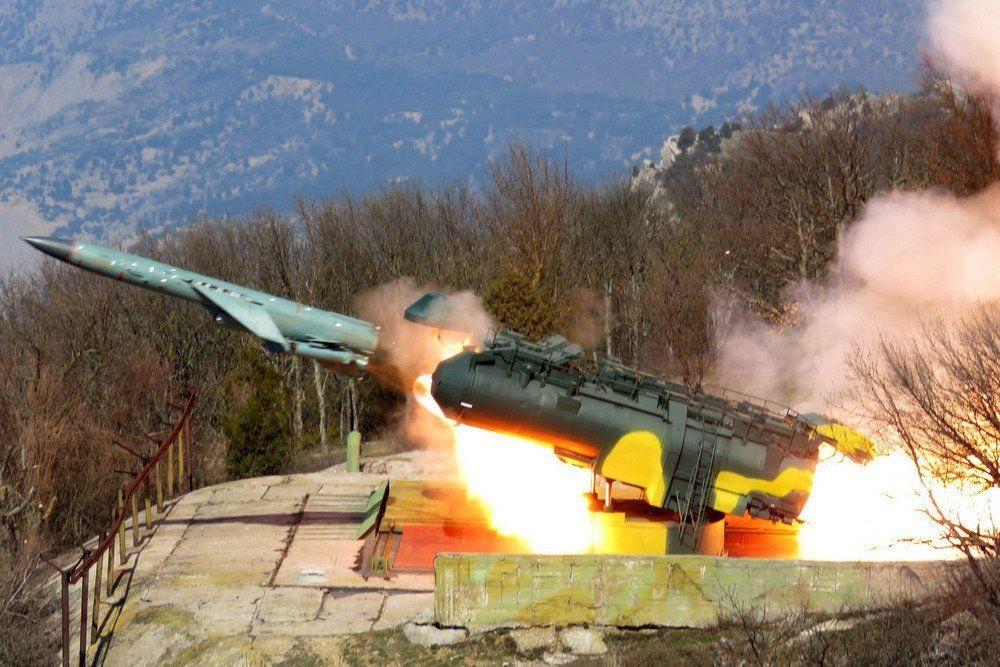
According to open sources, two divisions of the Utes Coastal Defense Missile System were deployed in Crimea during the Soviet era. The system was equipped with missiles with a warhead weighing approximately 1000 kg.
After 2014, one of the Coastal Defense Missile Systems was de-preserved and integrated into the Black Sea Fleet. The missile positions are located in the rock, with the command post, missile storage facilities, and workshops for their preparation and refueling underground.
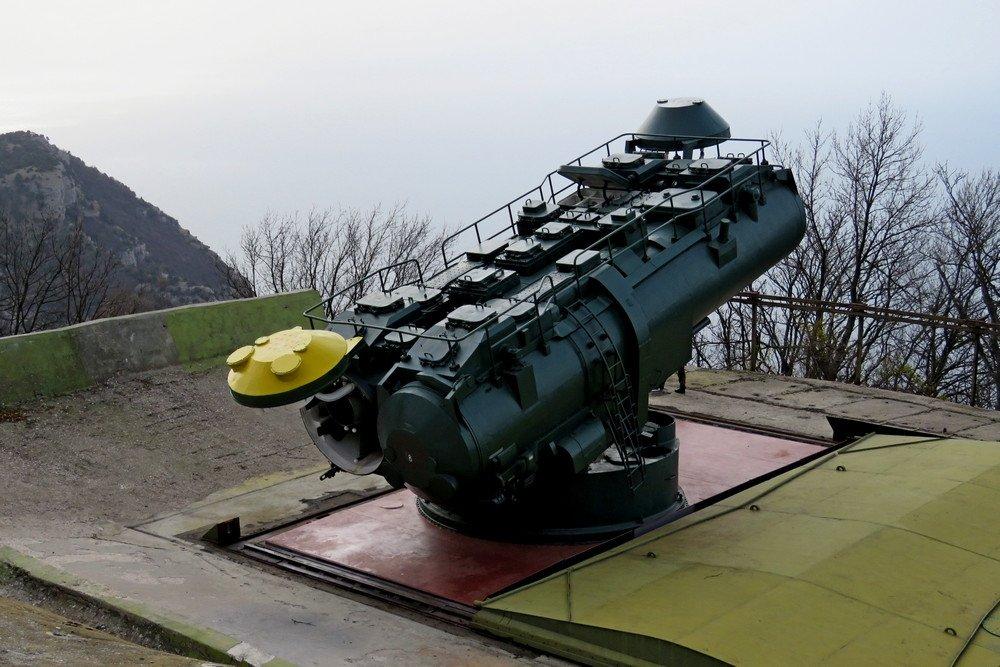
All equipment, power units, cable routes, technical components, and the "products" themselves were put into operation.
Main characteristics of the Utes Coastal Defense Missile System:
- Missile flight speed - 1250 km/h
- Maximum launch range - 460
- Warhead weight - 930 kg
- Missile length - 9880 mm
- Wingspan - 2600 mm
- Missile weight at launch - 5300 kg
- Missile weight without booster - 4500 kg
Earlier, www1.ru reported that Russian troops at the front began touse Molniya-1 fixed-wing UAVs. They are used to destroy mobile enemy groups, vehicles, and armored equipment.
Read related materials:
Where it operates, the enemy does not fly: Tor-M2 SAM system shoots down absolutely all targets at the front
Low cost and simplicity. The advantages of the KUB loitering munitions have become known
A new generation of aerial reconnaissance: Supercam S350 was used to track enemy maneuvers
Never miss our newsAdd this site to your preferred sources to see us more oftenAdd on Google

















