Translated with AI from the Russian original.
The company "Harberry-RusFactor" has developed the "Lovkiy" drone-convertoplane, capable of flying 2.5 times faster and longer than analogues. The drone is designed for reconnaissance missions and fire adjustment.
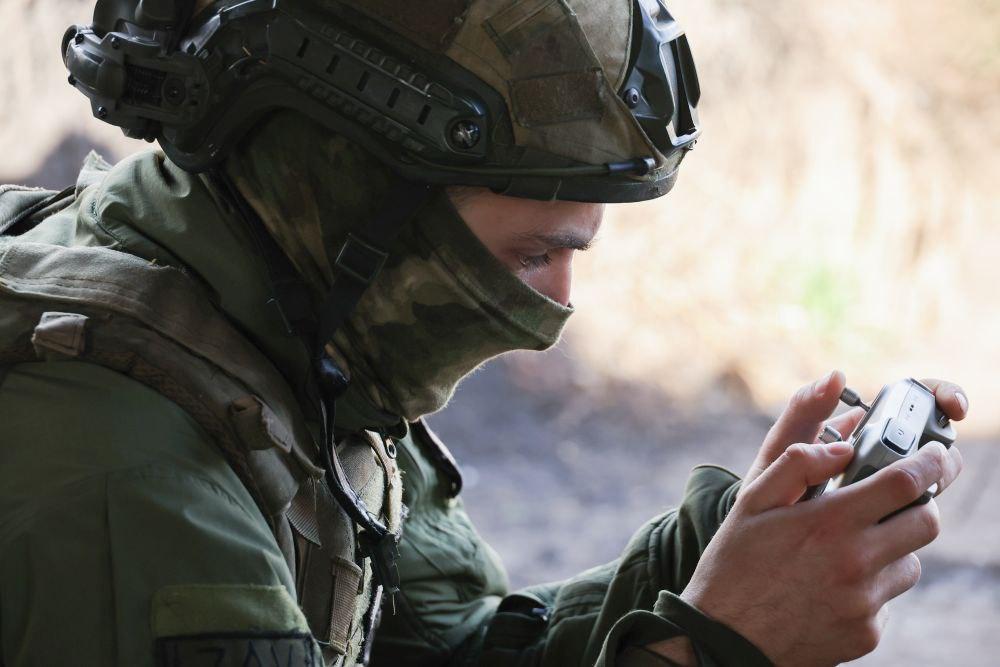
According to the CEO of the company, Alexey German, "Lovkiy" is capable of developing speeds in the range of 160-200 km/h. At the same time, the drone saves up to 70% of energy, since it takes off like a regular quadcopter, and flies according to the laws of aerodynamics like an airplane. Thanks to this, it will be able to stay in the air 2.5 times longer.
Ordinary quadcopters develop speeds up to 85 km/h, so they are slow and clumsy
Technical characteristics of the "Lovkiy" drone:
- Data transmission range - up to 50 km
- Flight altitude - up to 5 km
- Serviced by one operator
An experienced prototype was transferred to the military personnel so that they could test it in combat, after which it was decided to increase the payload of the UAV and make it from carbon. In this case, "Lovkiy" will become invisible to the enemy's air defense systems.
The developers have already received a patent for the software and an industrial design of "Lovkiy". Currently, "Harberry-RusFactor" is looking for investors to launch mass production of this drone.
Earlier, a batch of"Som-5" drones of helicopter type was transferred to the military personnel of the Russian Armed Forces. In the future, they will be sent a"MiS-35" boomerang drone, which returns to the launch point when communication with the operator is lost.
Never miss our newsAdd this site to your preferred sources to see us more oftenAdd on Google

















