The Institute of Cytology and Genetics of the Siberian Branch of the Russian Academy of Sciences has developed and patented a new variety of perennial herbaceous plant - Miscanthus soranovsky. This is a Far Eastern analogue of reed, from which you can extract a lot of raw materials for Russian industry. First of all, cellulose is extracted from it, which is needed everywhere: from pharmaceuticals to the production of fabrics and biodegradable dishes.
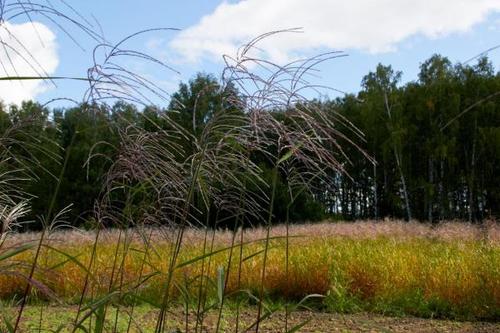
One hectare planted with Russian miscanthus can yield up to four tons of cellulose. A perennial crop can grow in one place for about twenty-five years without harming the soil.
In addition to cellulose, miscanthus can be a renewable source of fuel and raw materials for the production of composite materials (substitutes for wood and plastics).
Finally, the plant contributes to the accumulation of organic matter in the soil, significantly reducing CO2 emissions.
Currently, according to the press service of ICiG SB RAS, a pilot plant for processing the plant into cellulose has been launched and is operating in the Moscow region. There is a pilot site in the Novosibirsk region, and a plant for processing Miscanthus soranovsky will soon appear in the Kaliningrad region. It is planned to form a whole network of such enterprises throughout Russia.
Never miss our newsAdd this site to your preferred sources to see us more oftenAdd on Google

















