Researchers from the Institute of Biology and Biomedicine at Lobachevsky State University of Nizhny Novgorod (NNGU) have proposed a new approach to Alzheimer's disease therapy. They used the drug necrostatin-1, which blocks necroptosis – a type of nerve cell death that plays a significant role in the development of neurodegenerative diseases.
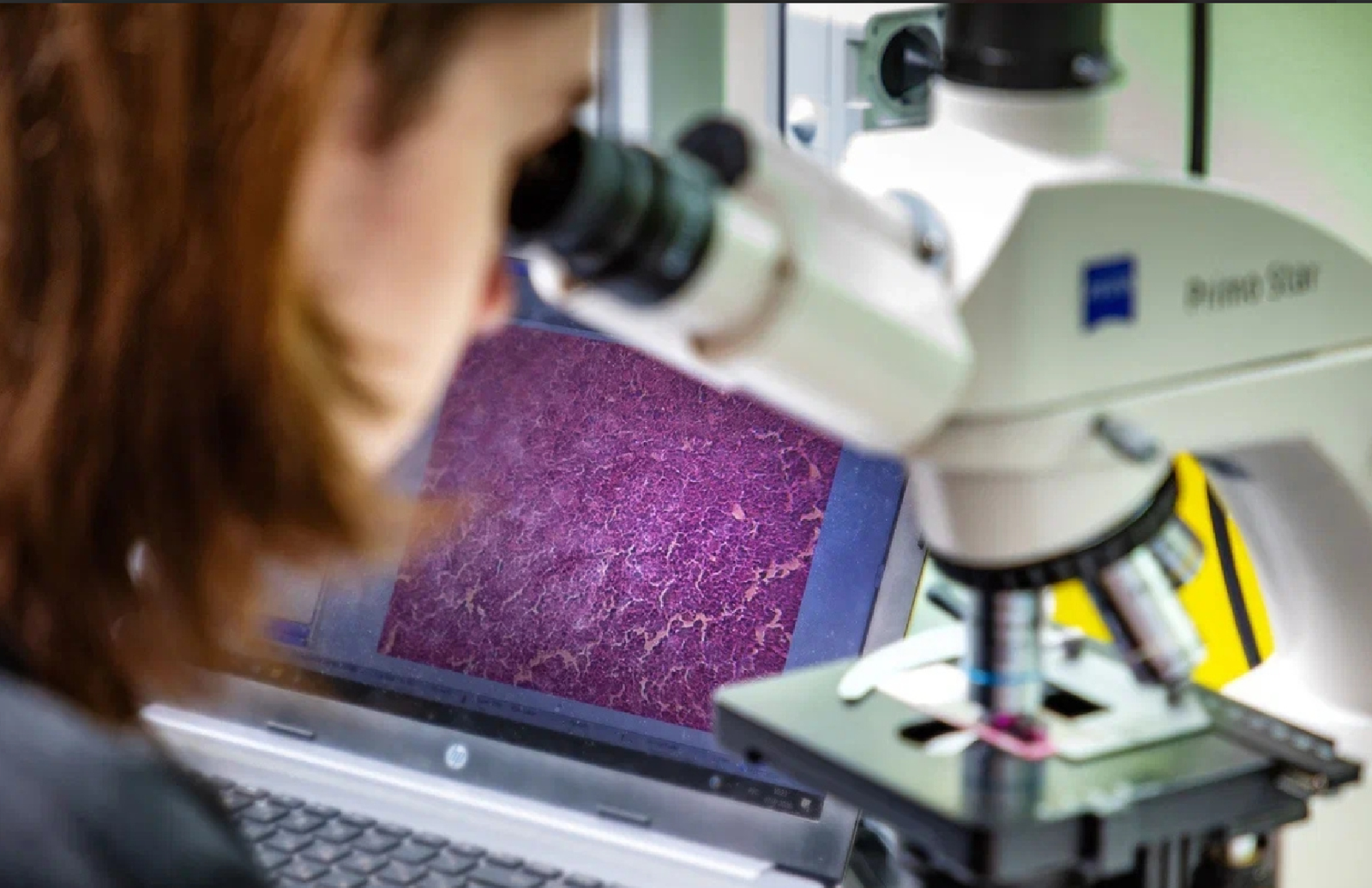
Experiments were conducted on aging mice with a familial form of Alzheimer's disease. The drug was administered to animals from six months of age, when the first signs of neurodegeneration and cognitive impairment appear in this line. After three months of therapy, the mice showed better results in learning and memory tests compared to the control group that did not receive the drug. The animals also maintained normal levels of motor activity, and brain tissue damage was insignificant.
As explained by the study's author, Elena Mitroshina, necroptosis is a controlled type of cell death that leads to a pronounced inflammatory response. Necrostatin-1 blocks the processes of cell death at the first stage, which helps slow down the development of pathology. The control group of animals without therapy, on the contrary, felt worse and was unable to learn and remember information.
Scientists also found that the therapy was more effective in males than in females, which is associated with an earlier onset and a high rate of neurodegeneration development in female individuals. Researchers plan to develop new treatment protocols taking these features into account.
NNGU noted that the study was carried out with the support of the Russian Science Foundation. It remains to be seen what the long-term consequences of the therapy are, to study the behavior of surviving brain cells, and to conduct experiments with new drug administration regimens. Scientists are also interested in how stress affects the development of neurodegeneration in elderly mice and the effectiveness of treatment.
Read more on the topic:
Never miss our newsAdd this site to your preferred sources to see us more oftenAdd on Google

![Growth Point: After 5G Launch, Mobile Internet in Russia Accelerated by 20%","subtitle":"TelecomDaily recorded an upload speed increase of 19.7%, and download speed of almost 14%","announce":""}[]}],](https://media.ixbt.site/fit-in/320x/ixbt-data/1727896/ai-image-nvgq0a0v5cjnyxwoc8xpelva.webp)