Students of the Russian Technological University (RTU MIREA) have developed an experimental test system for detectingPseudomonas aeruginosa, a bacterium that causes severe nosocomial infections resistant to antibiotics.
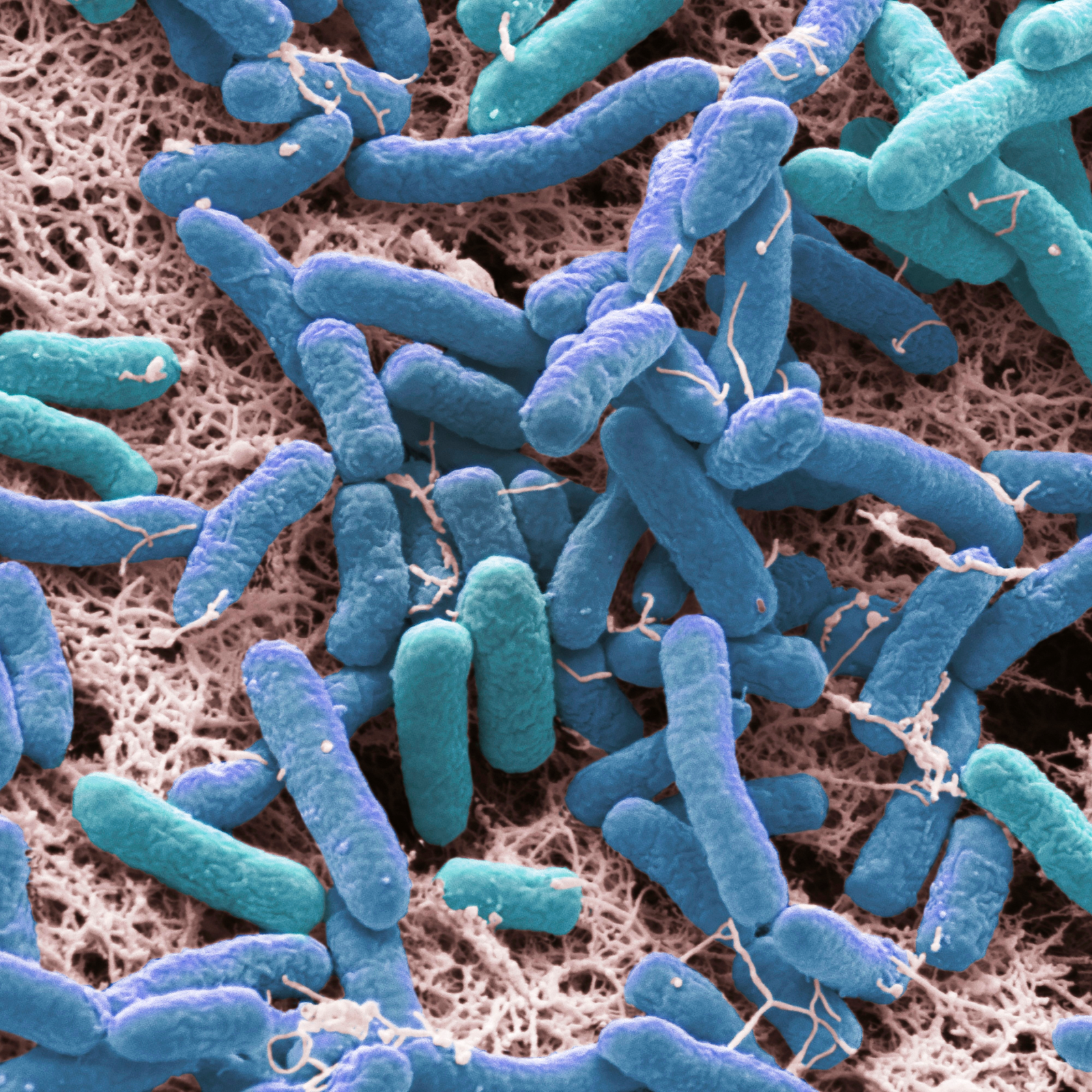

The system is based on the mechanism of DNA catalysis, where special molecules selectively recognize and cleave the RNA tags of the bacterium. Traditional diagnostic methods take from 2 hours to a day, as they include culture seeding and biochemical tests. The new technology reduces this process to 30-60 minutes without loss of accuracy.
Our method combines laboratory accuracy with ease of use, which opens up opportunities for its widespread implementation
DNA catalysis: principle of operation and significance
DNA catalysis is a process in which specially designed DNA molecules act as catalysts, accelerating specific biochemical reactions. Unlike traditional enzymes, these synthetic DNA catalysts (deoxyribozymes) have the ability to selectively interact with target molecules.
The technology works in three stages:
- Precise detection: Special DNA molecules work like a "smart scanner" - they are configured to find only specific bacteria (for example, Pseudomonas aeruginosa) by their unique RNA code.
- Target destruction: After detection, these molecules cut the bacterium's RNA like scissors - a thread. This deprives the pathogen of the ability to multiply and harm the body.
- Result signal: The system sends a clear signal (for example, changes color), by which doctors immediately see whether a dangerous bacterium has been detected or not.

The development of RTU MIREA students demonstrates the practical implementation of these principles for clinical diagnostics. The technology is especially relevant for the detection of antibiotic-resistant strains, where the speed and accuracy of diagnosis are critical for choosing effective therapy.
Further development of the method may lead to the creation of portable diagnostic systems for use in clinical practice and epidemiological monitoring.
This system does not require complex equipment and gives a quick result. Rapid diagnosis is critical for patients in intensive care and oncology departments. This method can also be used to control the quality of food products for the presence of pathogens.
The project received support under the "Accelerator RTU MIREA" program and a grant for further development.
The development could be an important step in the fight against antibiotic-resistant infections. Unlike foreign analogues, such as PCR tests, the new system offers a faster and simpler solution. In the case of successful clinical trials, the technology will be able to improve patient safety and the quality of food products.
Read more on the topic:
Russian researchers have synthesized an antibiotic against resistant Staphylococcus