Navigation in the Antarctic region is complicated. The reason is the world's largest and oldest iceberg, A23a, which has been released from an "ice trap" north of the South Orkney Islands. It is now drifting north.
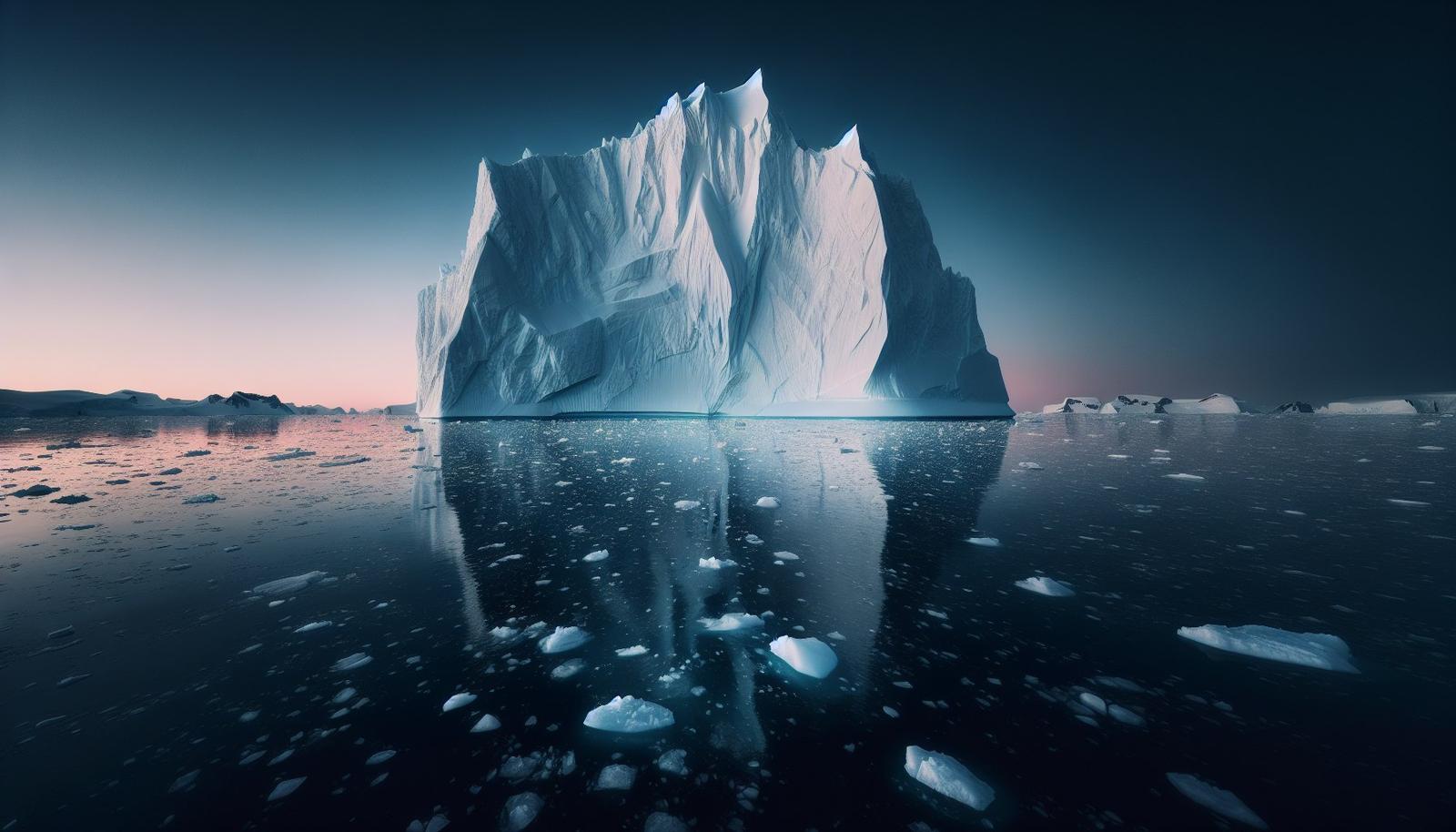
Employees of the Ice and Hydrometeorological Information Center (IHIC) monitored the movements of A23a to prevent possible collisions of the ice block with fishing and supply vessels.
Iceberg A23a was formed in 1986 as a result of separation from the Filchner Ice Shelf. It has an area of about 4.2 thousand square kilometers.
For more than 30 years, the iceberg remained grounded in the central part of the Weddell Sea. However, in 2023 (in the Antarctic winter), it began to move towards the edge of the ice at a speed of 150 kilometers per month.
Experts suggest that the iceberg will soon cease to exist, or will remain in the Weddell Gyre system and will drift for several more years.
Earlier www1.ru reported that Mesyatsev Island in the Arctic had gone underwater.
Read materials on the topic:
Russian drones in the Arctic: the "North Pole-42" expedition has begun
Russia begins decoding the genomes of Arctic organisms
Russian microbiologists are looking for giant viruses in the Arctic